Photo: Anadolu Agency / GettyThe last super moon of the year is almost here!On March 20, 2019, sky-gazers will be able to see a celestial event known as the “Super Worm Moon,” according toNational Geographic.While that phrase may sound like something out of achildren’s book, the name actually has a legendary meaning. TheOld Farmer’s Almanacreports that the full moon in March is always known as the “worm moon” because it marks the time of year when earthworms begin to come out in the soil.The word “super” is used to designate when the full or new moon is closest to Earth in its orbit, making it appear larger and brighter than usual.However, according to the Almanac, most people won’t be able to spot the difference between most super moons and typicalfull moons.According toNational Geographic, on March 20, the Super Worm Moon will be 223,309 miles from Earth at 3:45 p.m. EST, making it especially close to the planet. Then, at 9:43 p.m. EST, the moon will reach its full phase and appear 14 percent larger and 12 percent brighter than usual.WATCH THIS: Ryan Gosling Reveals His Daughters ‘Think I’m an Astronaut’ Who Works on the MoonThis year has already broughttwo super moons, but the Super Worm Moon marks the last full super moon of the year. The celestial event also happens to fall on the day of the Spring Equinox, which marks the first official day of spring.The Spring Equinox, which always lands on either March 20 or 21, marks one of the two days each year thatnight and day are almost exactly equal in lengtheverywhere on earth.Astronomy websiteEarthSky.orgreports that a full moon hasn’t occurred this close to the first day of spring in 19 years, and notes that the two events won’t coincide again until 2030.
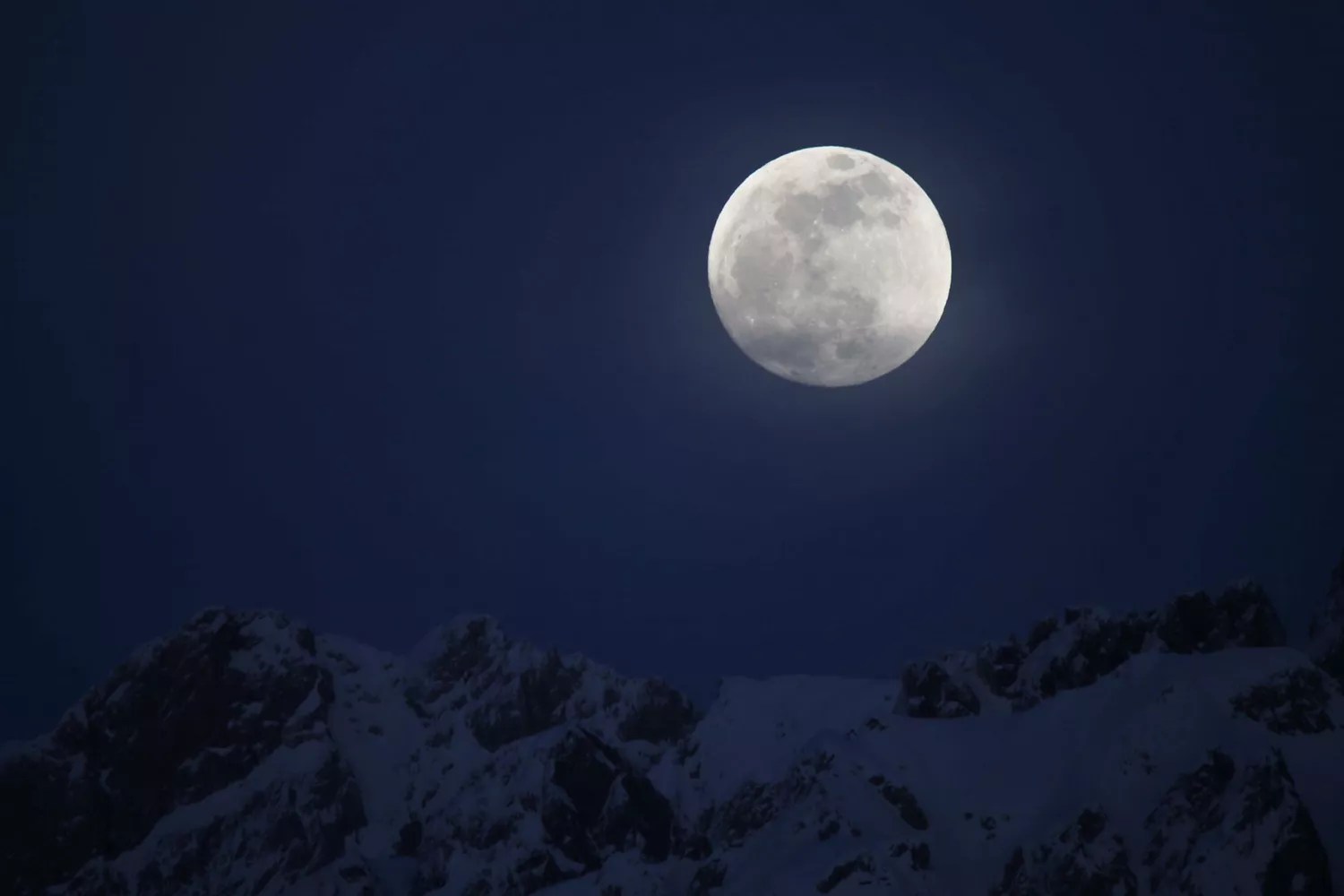
Photo: Anadolu Agency / Getty
The last super moon of the year is almost here!On March 20, 2019, sky-gazers will be able to see a celestial event known as the “Super Worm Moon,” according toNational Geographic.While that phrase may sound like something out of achildren’s book, the name actually has a legendary meaning. TheOld Farmer’s Almanacreports that the full moon in March is always known as the “worm moon” because it marks the time of year when earthworms begin to come out in the soil.The word “super” is used to designate when the full or new moon is closest to Earth in its orbit, making it appear larger and brighter than usual.However, according to the Almanac, most people won’t be able to spot the difference between most super moons and typicalfull moons.According toNational Geographic, on March 20, the Super Worm Moon will be 223,309 miles from Earth at 3:45 p.m. EST, making it especially close to the planet. Then, at 9:43 p.m. EST, the moon will reach its full phase and appear 14 percent larger and 12 percent brighter than usual.WATCH THIS: Ryan Gosling Reveals His Daughters ‘Think I’m an Astronaut’ Who Works on the MoonThis year has already broughttwo super moons, but the Super Worm Moon marks the last full super moon of the year. The celestial event also happens to fall on the day of the Spring Equinox, which marks the first official day of spring.The Spring Equinox, which always lands on either March 20 or 21, marks one of the two days each year thatnight and day are almost exactly equal in lengtheverywhere on earth.Astronomy websiteEarthSky.orgreports that a full moon hasn’t occurred this close to the first day of spring in 19 years, and notes that the two events won’t coincide again until 2030.
The last super moon of the year is almost here!
On March 20, 2019, sky-gazers will be able to see a celestial event known as the “Super Worm Moon,” according toNational Geographic.
While that phrase may sound like something out of achildren’s book, the name actually has a legendary meaning. TheOld Farmer’s Almanacreports that the full moon in March is always known as the “worm moon” because it marks the time of year when earthworms begin to come out in the soil.
The word “super” is used to designate when the full or new moon is closest to Earth in its orbit, making it appear larger and brighter than usual.
However, according to the Almanac, most people won’t be able to spot the difference between most super moons and typicalfull moons.
According toNational Geographic, on March 20, the Super Worm Moon will be 223,309 miles from Earth at 3:45 p.m. EST, making it especially close to the planet. Then, at 9:43 p.m. EST, the moon will reach its full phase and appear 14 percent larger and 12 percent brighter than usual.
WATCH THIS: Ryan Gosling Reveals His Daughters ‘Think I’m an Astronaut’ Who Works on the Moon
This year has already broughttwo super moons, but the Super Worm Moon marks the last full super moon of the year. The celestial event also happens to fall on the day of the Spring Equinox, which marks the first official day of spring.
The Spring Equinox, which always lands on either March 20 or 21, marks one of the two days each year thatnight and day are almost exactly equal in lengtheverywhere on earth.
Astronomy websiteEarthSky.orgreports that a full moon hasn’t occurred this close to the first day of spring in 19 years, and notes that the two events won’t coincide again until 2030.
source: people.com
